
On this page
Las Vegas has a well-earned reputation for world-class entertainment, dining, and nightlife, but the city offers a well-rounded lifestyle for the people who actually live there. Between its distinct neighborhoods, growing job market, outdoor access, and everyday conveniences, it attracts residents looking for far more than a weekend trip.
If you’re moving to Las Vegas, getting a clear understanding of local housing costs, weather patterns, transit options, and daily life will help you plan a smooth transition.
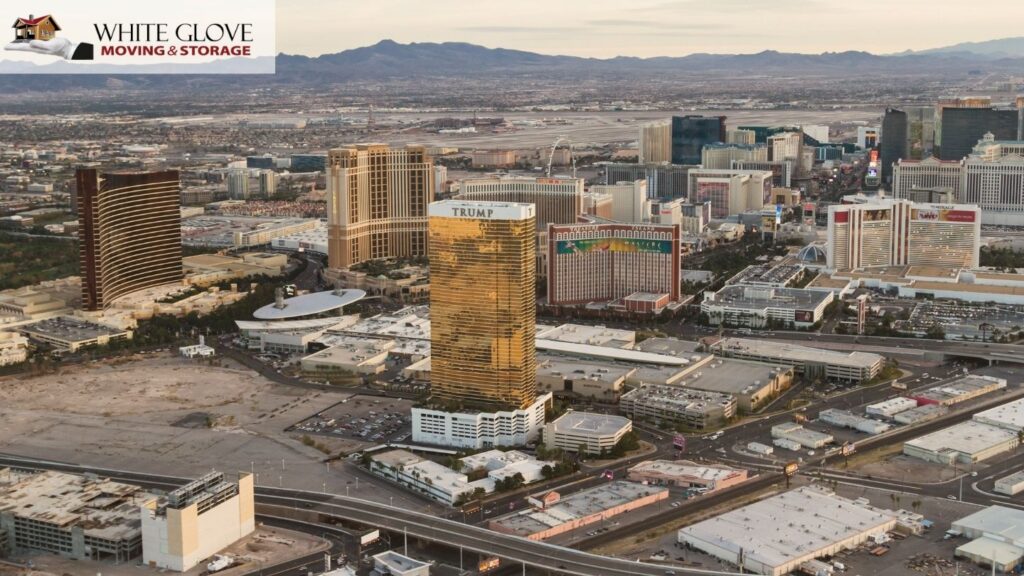
Why Are People Relocating to Las Vegas?
People move to Las Vegas for practical reasons, including steady job growth, year-round sunshine, and a broad range of housing styles. Nevada’s policy of having no individual state income tax also provides a financial incentive that draws many new residents each year.
Day-to-day living includes easy access to solid dining spots, retail hubs, major league sports teams, top-tier venues, and nearby parks. The region accommodates various lifestyles, matching people with everything from energetic urban pockets to peaceful suburban master-planned developments.
What to Know Before Moving to Las Vegas, NV
Getting comfortable with desert living means taking a realistic look at the factors that shape day-to-day life, including housing expenses, local industries, seasonal temperature swings, transit options, and overall community character.
Cost of Living in Las Vegas
Housing represents the primary expense on most household budgets in the area. Data from Realtor.com showed a median sold home price of roughly $435,000 in August 2026. On the rental side, Zillow reported an overall average monthly rent of $1,950 in early September 2026 across all property sizes and layouts.
Actual housing expenses change based on the specific neighborhood and building style you choose. Homebuyers need to budget for property taxes, homeowner insurance, HOA dues, ongoing maintenance, and summer cooling bills, while renters ought to factor in utility setups, parking costs, pet fees, and ancillary monthly costs.
Not having a state individual income tax gives Nevada residents extra take-home pay and helps build a holistic budget. Weighing total housing costs, utilities, and everyday expenses together gives you a much clearer picture of your overall budget than relying on tax savings alone.
Jobs and Employment in Las Vegas
The local job market reaches far beyond casino resorts and hospitality management. While leisure and tourism continue to drive major economic activity, the valley holds expanding employment sectors across healthcare, commercial construction, corporate services, retail trade, logistics, and technology.
A diversified economic foundation makes the area attractive to professionals across various career paths. If you’re moving to Las Vegas for work, check with your employer about corporate relocation packages that might cover moving labor, transport, or temporary storage.
Workplace location should direct your home search. The metropolitan footprint spans substantial geography, so factoring in peak commute times and highway access to major employment centers will help narrow down neighborhoods that keep your daily drive reasonable.
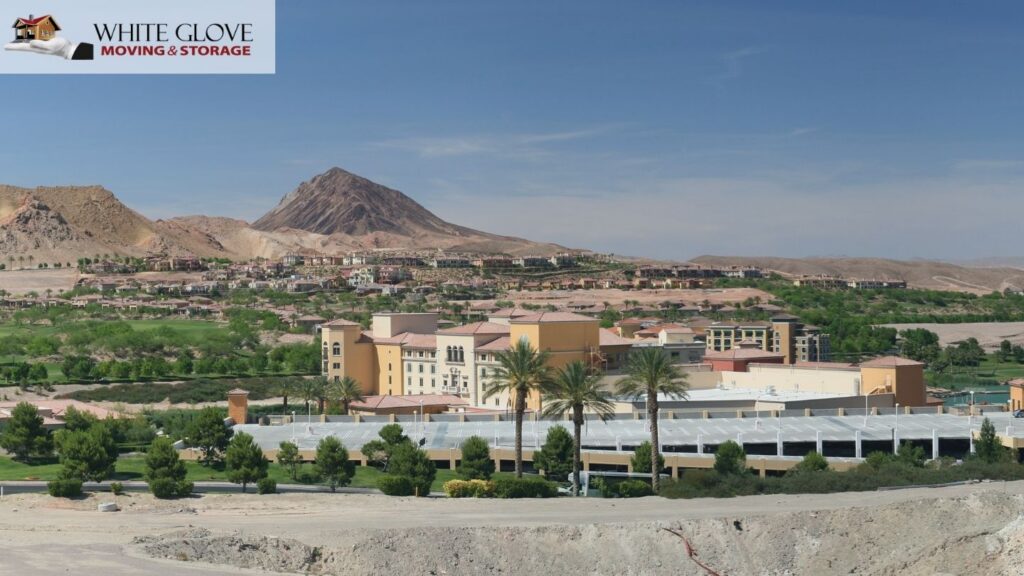
What Is It Like to Live in Las Vegas?
The lifestyle in Las Vegas can look quite distinct from the bright lights of the Strip. Off the main tourist corridor, local neighborhoods feature grocery stores, retail plazas, family eateries, community parks, gyms, and public libraries that make daily errands straightforward.
Exceptional entertainment options remain a nice perk of residency, putting concerts, major league sports games, and dining within short driving distance. Outside the urban core, the surrounding desert topography provides options for hiking, road cycling, and golf. Red Rock Canyon and Lake Mead draw regular crowds for weekend recreation, and the city serves as a convenient launchpad for broader Southwestern road trips.
Families benefit from extensive municipal park networks, youth sports leagues, recreation centers, public libraries, and community events. Combining urban conveniences with easy nature access lets residents build balanced routines centered around everyday interests.
What Is the Weather Like in Las Vegas?
The region experiences a classic hot desert climate marked by intense summers and mild, crisp winters. Afternoon highs from June through August regularly top 100°F, whereas winter brings comfortable conditions that invite afternoon park visits. Humidity stays low year-round, accompanied by minimal annual rainfall.
Adapting to summer heat takes practical planning. Residents shift outdoor workouts and errands to early mornings or late evenings, and reliable air conditioning is an important part of everyday life.
Getting Around Vegas
Transportation across the valley revolves around personal vehicles, making car ownership practical for suburban residents. A network of major roads and highways links outer developments to the urban center, though public transit routes serve key thoroughfares for specific trips.
Keep commute patterns in mind while evaluating prospective homes. Choosing a neighborhood near your job, school district, or preferred shopping nodes cuts down drive times across the valley.
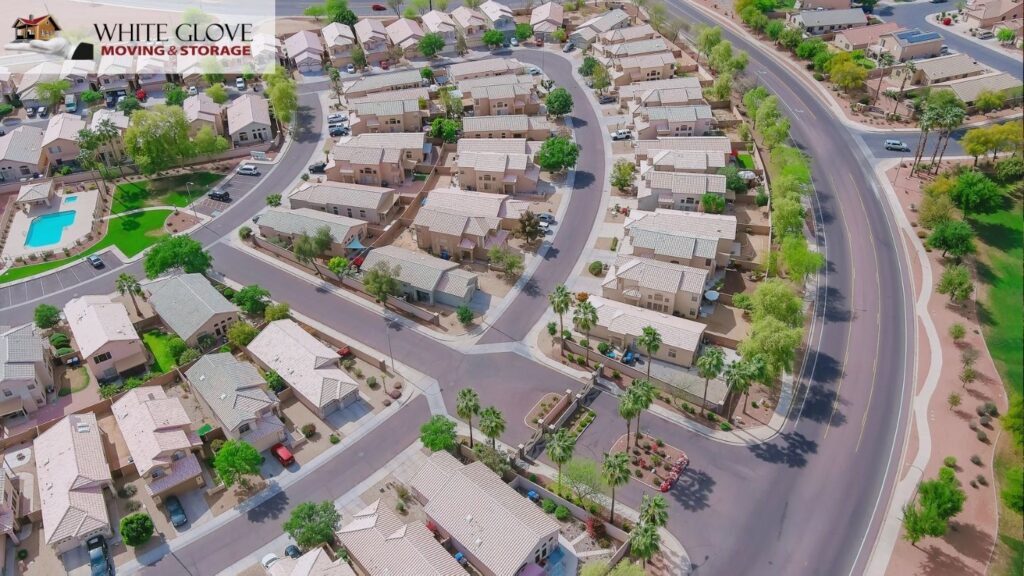
Best Places to Live in the Las Vegas Area
After assessing housing budgets, weather realities, and transit preferences, you can evaluate specific communities that align with your lifestyle.
Summerlin
Set in the western part of the Las Vegas Valley, Summerlin is an expansive master-planned development featuring trail systems, neighborhood parks, commercial centers, and dining hubs. Its proximity to Red Rock Canyon appeals to trail runners, climbers, and nature enthusiasts.
Henderson
Situated southeast of Las Vegas proper, Henderson offers established suburban living with distinct residential pockets, extensive municipal parks, retail districts, and recreation centers. Its broad assortment of home sizes and quiet neighborhoods draws families seeking traditional suburban surroundings.
Enterprise
Positioned in the southwest valley, Enterprise has seen rapid residential growth in recent years. Buyers find modern construction, expanding commercial plazas, and convenient access to major transportation corridors.
Centennial Hills
Tucked into northwest Las Vegas, Centennial Hills blends suburban housing subdivisions with retail hubs, parks, and quick access to open desert areas. It provides a peaceful neighborhood setting positioned away from core urban traffic.
Downtown Las Vegas
Downtown Las Vegas presents a walkable, high-energy environment filled with independent eateries, small businesses, arts institutions, and neighborhood events. It fits residents who thrive on central urban living and immediate access to cultural venues.
Weigh your house budget, daily drive, housing style, and amenity needs when comparing these communities. For additional advice on picking a neighborhood, consult our detailed guide on choosing where to live before you move.
Planning Your Move to Las Vegas
Selecting your neighborhood shifts the focus to moving preparations. When moving to Las Vegas, set your moving date early to allow ample lead time for sorting possessions, finalizing lease or closing paperwork, and hiring movers. Sorting through furniture and household goods before packing helps calculate accurate inventory size and truck space.
Choose Professional Movers
Partnering with an experienced crew makes managing packing schedules, interstate transit, and delivery timelines far more straightforward during interstate relocations. Booking professional assistance early keeps logistics moving on schedule from departure to final walkthrough.
White Glove Moving & Storage manages interstate moves into Nevada from New York, New Jersey, and locations nationwide. Our teams handle custom packing solutions, transit, flexible storage, unpacking, and precise furniture arrangement customized to your schedule.
If a move to Las Vegas is on your horizon, request a free moving plan today to start building your relocation strategy.
FAQ About Moving to Las Vegas, Nevada
Should I move to Las Vegas?
Vegas offers strong options if you want diverse housing styles, job prospects across multiple sectors, outdoor recreation, and warm weather. Before making your decision, evaluate the pros and cons of living in Las Vegas, such as summer heat, housing prices, commute habits, and neighborhood character, to judge whether the valley aligns with your long-term plans.
Is Las Vegas a good place for families?
The metropolitan area holds distinct residential neighborhoods equipped with public parks, community programs, schools, and family infrastructure. Suburbs like Henderson and Summerlin suit families wanting calm neighborhoods alongside easy access to shopping centers and sports facilities.
Do you need a car in Las Vegas?
Driving remains the most practical way to get around, particularly for suburban residents traveling across the valley. Public bus routes cover major corridors for targeted trips, but daily flexibility usually requires a primary vehicle.
Does Nevada have a state income tax?
Nevada collects zero individual state income tax. That said, healthy budgeting means taking into account overall housing expenses, summer electric utility spikes, auto insurance rates, and everyday household costs.
Is Vegas a safe place to live?
Yes, many communities across the valley are safe places to call home, though conditions vary by neighborhood. Established master-planned areas like Summerlin, Centennial Hills, and Henderson remain popular choices for residents. To check localized crime reports, review the Las Vegas Crime Index for detailed activity maps across specific postal codes.
How far in advance should I hire movers when moving to Las Vegas?
For interstate relocations, booking a professional moving company 6 to 8 weeks in advance gives you solid scheduling flexibility. Reserving early locks in your target dates and allows ample time to align packing support, transit schedules, and storage solutions. Larger homes or summer peak moves benefit from booking even further ahead.
What is the best time of year to relocate to Las Vegas?
Spring and fall present optimal weather conditions for loading trucks and settling in. Summer moves require extra coordination to manage afternoon heat, while winter offers cool, dry weather that works well for physical moving work.

A Smooth Start to Your Las Vegas Move
Moving to Las Vegas opens doors to communities blending modern city perks, calm neighborhoods, open-air recreation, and unique desert living. Evaluating housing options, real budgets, daily transit, and lifestyle goals helps you make grounded choices for your move.
When you’re ready to make the transition, White Glove Moving & Storage coordinates every practical phase of long-distance moving, covering custom packing, direct transit, temporary storage, unpacking, and furniture placement.
Take the first step toward your new Las Vegas home with a free moving estimate.
