
On this page
Thinking about moving to Upstate New York? You might picture a lively city with a thriving arts scene, a college town surrounded by waterfalls, or a lakeside community where weekends are spent on the water. The region has all these options and more, but finding the right place means looking beyond the scenery to consider your budget, career, and day-to-day needs.
Below are some of the best places to live in Upstate New York, along with what each has to offer and a few practical details to weigh before you move.
What Is Upstate New York Like?
Upstate New York usually refers to the parts of the state outside New York City and its surrounding metropolitan region. The term covers Western and Central New York, the Finger Lakes, the Capital Region, and the Adirondacks. Some people also include parts of the Hudson Valley and Southern Tier, so the exact boundaries depend on who you ask.
Life in Upstate New York varies by location, from busy urban centers and college towns to smaller communities near lakes, forests, and mountains. If you’re considering a move to the region, there are a few general factors to keep in mind as you explore your options.
Weather and Seasonal Changes
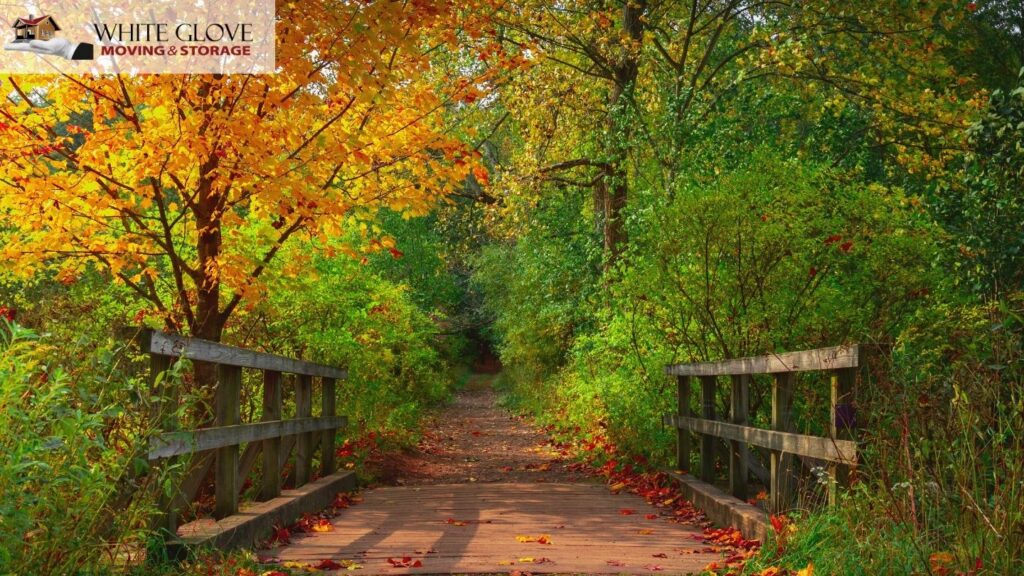
Upstate New York has four distinct seasons, with warm summers and cold, snowy winters. Snowfall differs across the region, and communities near the Great Lakes can receive substantial lake-effect snow.
Think about how winter weather would affect your daily routine before choosing where to live. Consider your commute, how often you’ll need to drive, and whether you’re comfortable dealing with snow removal and icy roads. Snow-covered scenery may be appealing, but winter also brings practical responsibilities, particularly for homeowners.
Cost of Living and Everyday Convenience
Some parts of Upstate New York offer more affordable housing than New York City, while still keeping the metropolitan area within reach for occasional visits or, in certain locations, commuting. Zillow estimated typical home values in September 2026 at around $223,000 in Syracuse, $240,000 in Rochester, and $332,000 in Albany. By comparison, the estimate for New York City was approximately $826,000.
Home prices are only one part of your budget, though. Property taxes, utilities, transportation, and ongoing maintenance can all affect your monthly expenses. Larger Upstate NY cities tend to have a broader range of services and amenities nearby. In smaller communities, you may need to drive farther for work, shopping, healthcare, and everyday errands.
Outdoor Recreation and Natural Attractions
For people who enjoy spending time outdoors, Upstate New York offers plenty of options. The Finger Lakes region is known for its lakes, boating, hiking, and scenic trails. Watkins Glen State Park is another popular destination, with a dramatic gorge and a series of waterfalls.
Farther north, Adirondack Park has mountains, forests, lakes, and extensive opportunities for hiking and paddling. The Catskill Park also draws outdoor enthusiasts with its wooded trails and mountain scenery.
There’s a difference between living near these attractions and driving out to visit them on weekends. Think about how often you plan to get outdoors and whether you’d prefer trails and waterways close to home or within a reasonable drive.
10 Best Places to Live in Upstate New York
The communities below include regional employment centers, university towns, and lakeside destinations. Each offers a different lifestyle, so the best place to live in Upstate New York for you will depend on your priorities.
#1. Albany: A Hub for Government and Professional Careers
As New York’s capital, Albany has a strong government presence, along with employment opportunities in healthcare, higher education, and other professional fields. Its position in the Capital Region also gives residents access to nearby employment centers.
The city has historic architecture, museums, restaurants, and cultural venues. Center Square and Pine Hills are established residential neighborhoods, while nearby Colonie and Bethlehem offer suburban alternatives.
#2. Buffalo: Urban Amenities and Cultural Attractions
Buffalo offers a mix of distinctive neighborhoods, independent shops, restaurants, and cultural attractions. Elmwood Village has a variety of independent shops and restaurants, while Allentown is known for its galleries and nightlife. Delaware Park provides green space within the city, and the Lake Erie waterfront gives residents another place to spend their free time.
Healthcare, education, manufacturing, and other industries contribute to the regional economy. Buffalo also puts destinations such as Niagara Falls within reach, along with other attractions across Western New York.

#3. Rochester: Family Life and Education
Rochester brings together educational institutions, healthcare employers, museums, and an extensive park system. Families can visit The Strong National Museum of Play and the Rochester Museum and Science Center, while the Erie Canal and nearby Lake Ontario offer places to walk, cycle, and enjoy the outdoors.
The surrounding communities of Brighton, Pittsford, and Fairport provide additional housing options and school district choices. Families considering the area should look into individual school districts, as boundaries and available programs differ between communities.
#4. Syracuse: A Central New York Hub
Syracuse offers the conveniences of a regional hub without the scale of a major metropolitan area. Syracuse University adds an academic and cultural presence, while downtown has restaurants, events, and entertainment. Green Lakes State Park and other nearby destinations offer opportunities to enjoy the outdoors beyond the city.
Housing choices include apartments, older homes within the city, and properties in surrounding communities.
#5. Saratoga Springs: Arts, Events, and Outdoor Recreation
Saratoga Springs has a busy calendar of events and a downtown that’s easy to explore on foot. Broadway, the city’s main thoroughfare, is lined with shops and restaurants. Saratoga Spa State Park offers trails, mineral springs, and cultural attractions, while the Saratoga Performing Arts Center hosts performances. The Saratoga Race Course also brings visitors to the area during racing season.
Located north of Albany, Saratoga Springs offers access to the wider Capital Region while retaining a smaller-city feel. Housing in desirable areas can be expensive, and major events bring extra visitors and traffic, which are useful factors to consider when deciding whether to live in this city.
#6. Ithaca: University Life and Natural Scenery
University life and the surrounding landscape are central to Ithaca’s character. Cornell University and Ithaca College contribute to its academic and cultural scene, while nearby parks feature gorges, waterfalls, and wooded trails. Robert H. Treman State Park and Buttermilk Falls State Park are popular destinations for enjoying the area’s natural scenery.
The academic calendar can influence local housing demand, and employment opportunities outside education and related fields may be more limited than in larger cities.

#7. Troy: Historic Architecture and Downtown Charm
Troy is known for its historic buildings, independent businesses, and compact downtown along the Hudson River. Restaurants, cultural venues, and a year-round farmers market give the city a distinctive local character. Albany is nearby, making the wider Capital Region accessible for work and other activities.
Many of Troy’s older homes have historic character, though some may need updates or ongoing maintenance. This is worth keeping in mind when comparing properties in the city.
#8. Binghamton: A Smaller-City Lifestyle
Binghamton offers a compact urban setting with local businesses, cultural attractions, healthcare services, and access to the surrounding Southern Tier. Binghamton University adds a strong educational presence and contributes to activity in the regional economy.
For those working in specialized fields, local job openings and salary ranges are worth researching before making a move, as opportunities may be more limited than in larger metropolitan areas.
#9. Canandaigua: Lakeside Living in the Finger Lakes
Situated at the northern end of Canandaigua Lake, the city offers opportunities for boating, swimming, fishing, and other seasonal activities. Downtown has local shops, galleries, and restaurants, while Sonnenberg Gardens and Mansion State Historic Park adds a distinctive cultural attraction.
Rochester is about 25 miles away, giving residents access to a wider range of employment, shopping, and services. Waterfront properties can be expensive, and a car may be necessary for commuting and everyday errands, depending on where you live and work.
#10. Kingston: Historic Character and Hudson Valley Access
Kingston combines historic neighborhoods, arts venues, and a waterfront location with access to the wider Hudson Valley. The Uptown Stockade District features historic architecture, while the Rondout waterfront has galleries, shops, and maritime heritage. The Catskill Mountains are also within reach for hiking and other outdoor activities.
Kingston doesn’t have its own passenger rail station, so traveling to New York City by train requires getting to a nearby station in Rhinecliff or Poughkeepsie first. Bus service is also available from Kingston.

How to Choose the Right Place to Live in Upstate New York
The communities on this list offer quite different ways of life. Once you’ve identified some of the best places to live in Upstate New York for you, look beyond their attractions and think about how each would fit your everyday routine.
Match the Local Job Market to Your Career
Start by researching job opportunities and salary ranges in your field. Larger employment centers such as Albany, Buffalo, Rochester, and Syracuse may offer a wider selection of positions. Smaller communities can have fewer openings in certain industries.
Remote work may give you more flexibility about where to live, but think about whether you’ll need to visit an office or travel to a larger city from time to time. If you’re moving with a partner, take their career needs into account as well.
Compare Housing Costs, Property Taxes, and Home Condition
A home that looks affordable at first glance may come with other expenses. Property taxes, utility bills, maintenance, and repairs all affect the cost of owning a property, especially if you’re looking at an older house. Compare the overall cost of renting or owning in each community, not only the asking price.
Families should also look into individual school districts, transportation arrangements, and access to activities. School options and housing costs can vary within the same metropolitan area, so it’s useful to compare specific neighborhoods rather than relying on citywide averages.
Choose a Community That Fits Your Lifestyle
Picture what you’d like your daily life to look like. You might prefer a walkable downtown, a suburban neighborhood with more space, or a quieter setting near a lake or hiking trails.
Think about how often you’ll need to drive, how much public transportation matters to you, and how close you want to be to shops, work, and other services. A community that suits one household may not work as well for another, so focus on the routines and amenities that matter most to you.
Visit Your Shortlist Before Deciding
If your schedule allows, spend some time in the communities you’re considering before committing to a move. Walk through residential neighborhoods, check out local shops and services, and try your potential commute at the times you’d normally travel. If you’re planning to buy a home, arrange viewings in the areas that interest you.
An in-person visit isn’t always possible. In that case, neighborhood maps, local service directories, transportation information, and current housing listings can help you compare your options. Narrowing the search to two or three communities also makes it easier to weigh the differences and decide where to look more closely.

Planning Your Move to Upstate New York
Once you’ve settled on a destination, you’ll need to work through the practical details of the relocation. A clear timeline, a plan for your belongings, and the right moving services can help you organize the process and manage the transition.
Prepare Your Belongings for the Move
Before packing begins, take stock of your belongings and decide what you’ll bring to your new home. Getting rid of items you no longer need can reduce the volume being transported and help you avoid paying to move things you won’t use. Make an inventory of your furniture and other large belongings, and note any fragile, valuable, or specialty items that may need extra care.
Set Your Moving Timeline and Budget
Confirm when your new home will be ready, then coordinate your moving date with your lease, closing date, or other housing arrangements. For an interstate relocation, plan your own travel around the expected delivery of your belongings.
Your budget should reflect the distance, the volume of your belongings, and any additional services you need. If you’re moving during winter, leave some flexibility in your schedule. Snowfall and road conditions can affect travel in parts of Upstate New York.
Work With Professional New York Movers
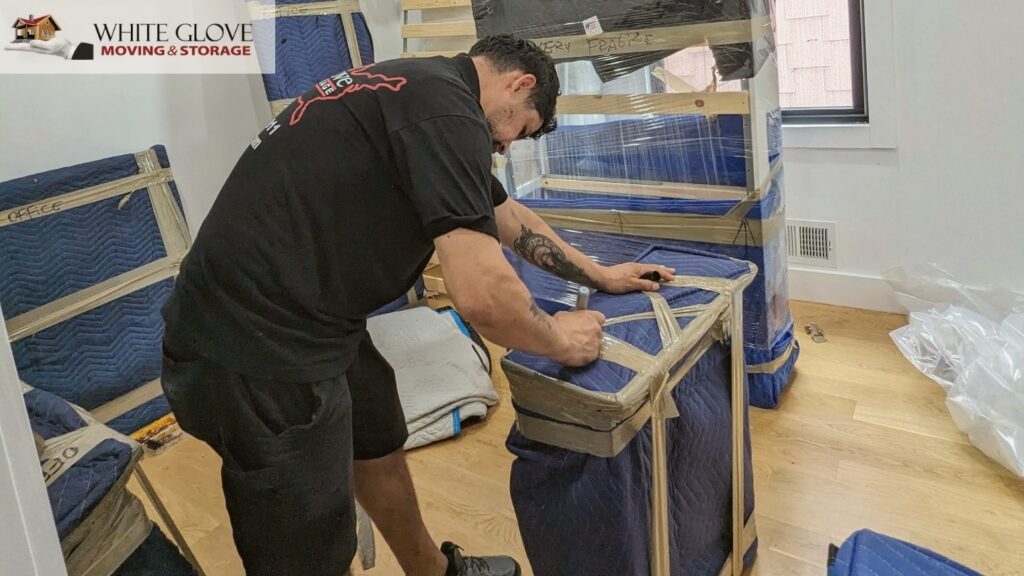
Professional movers can handle the main stages of a relocation, including packing, transportation, delivery, and furniture placement. A full-service moving company can also coordinate several of these services through one provider.
White Glove Moving & Storage is a full-service moving company with more than 30 years of experience in local and interstate relocations. Services include professional packing, custom crating for valuable belongings, furniture assembly and disassembly, unpacking, and short- or long-term storage. Having an experienced team of New York movers coordinate these details gives you more time to focus on getting settled in your new home.
Planning a move to Upstate New York? Request your free moving estimate to get started.
Frequently Asked Questions About Living in Upstate New York
Do you need a car to live in Upstate New York?
In many suburban and rural communities, a car is useful or necessary because public transportation may be limited. Cities such as Buffalo, Rochester, and Albany have public transit networks, and some neighborhoods offer easier access to shops, services, and transit on foot. In smaller communities and outlying areas, getting to work or running everyday errands may be more difficult without a car. Before choosing a home, check transit routes and schedules near your potential workplace and the places you’ll visit regularly.
When is the best time to move to the area?
Late spring through early fall may offer more favorable travel conditions. The best timing also depends on your schedule, housing arrangements, and destination. If you’re planning a winter move, allow some flexibility for possible weather-related delays and confirm your moving dates well in advance.
What are the best places to live in Upstate New York for families?
Rochester and its surrounding communities, the Capital Region near Albany, Saratoga Springs, Canandaigua, and Buffalo’s suburbs are all worth exploring. Each has different housing options, amenities, and recreational opportunities. Before choosing a location, compare school districts, childcare availability, healthcare access, commute times, and housing costs in the neighborhoods you’re considering.
Is Upstate New York expensive?
Living costs vary across Upstate New York. Housing may be more affordable in some cities than in sought-after towns or suburbs, but property taxes, utilities, transportation, and maintenance also affect the overall budget. Compare the total cost of living in the communities on your shortlist rather than looking at home prices alone.
How far is it from New York City?
The distance depends on where you’re moving. For example, Albany is about 150 miles from New York City by road, while Kingston is roughly 95 to 100 miles away. Rochester is much farther west, at approximately 330 miles, and Buffalo is about 370 miles away. Actual driving distances and travel times vary by route and traffic. If you plan to visit New York City regularly, compare driving times and public transportation options for your specific destination.

Find Your Next Home in Upstate New York
Upstate New York has plenty of communities to choose from, whether you’re drawn to Albany’s professional opportunities, Ithaca’s natural scenery, or Canandaigua’s lakeside setting. The right choice comes down to your budget, career, and preferred way of life. Take time to compare housing costs, neighborhoods, and everyday amenities before making your decision.
Once you’ve chosen the best place to live in Upstate New York for you, White Glove Moving & Storage can help coordinate your relocation with services tailored to your needs. Our team can manage the moving details while you focus on settling into your new home.
Get a free quote now to discuss your upcoming relocation with our team.
