
On this page
Moving to a new home offers an ideal opportunity to take a fresh look at everything you own. Over the years, belongings naturally accumulate in closets, drawers, garages, and storage spaces, making a move a practical time to decide what truly belongs in your next space. Figuring out how to declutter your home before moving can make packing more organized and help you settle into a clear, functional space from the moment you unpack.
This guide breaks down how to build a decluttering plan, work through individual rooms, sort sentimental belongings, and prepare your home for packing day.
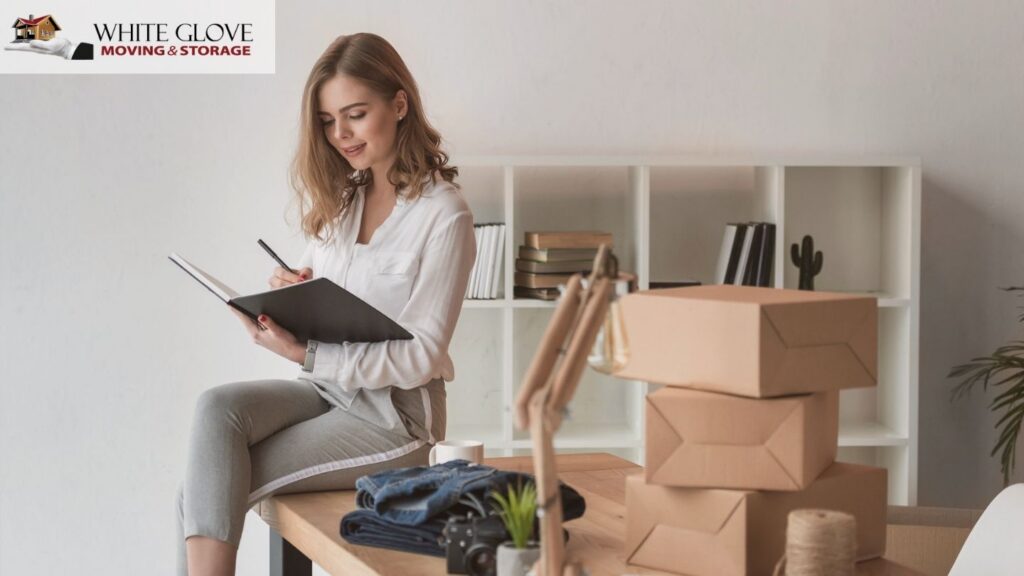
Step 1: Create a Decluttering Plan
Knowing how to declutter before a move starts with having a clear plan. Set your approach before opening cabinets or pulling storage boxes from the attic. Starting four to six weeks before your target moving date gives you enough time to work through each space without rushing decisions while packing.
Divide your home into manageable zones and set a realistic schedule for each one. Focus on one zone at a time to keep the process organized and track your progress.
Step 2: Set Your Keep Criteria
Establishing clear criteria upfront is one of the most useful tips to declutter your home and makes sorting decisions easier. Objective guidelines prevent you from making random choices based on temporary mood.
Evaluate each item by considering:
- Usage: When did you last use it, and how often do you expect to need it?
- Fit: Does it suit your current routines and the layout of your new home?
- Duplicates: Do you already have something else that serves the same purpose?
- Value: Does the item provide enough practical, personal, or financial value to justify keeping it?
Not every item needs to meet every criterion to earn a place in your home. Seasonal equipment, practical tools, specialty gear, and sentimental items might not get daily use, yet they can still hold clear value in your life.
The goal isn’t to purge everything down to a bare minimum. The goal is to decide deliberately what deserves space in your next chapter.
Step 3: Declutter Your Home Room by Room
Once your criteria are set, take on the house systematically. For many households, the best way to declutter a house is to work through one room or defined zone at a time. Starting with less-used areas, such as the garage, attic, basement, or storage rooms, can help you make progress without disrupting your everyday routine. From there, move through the kitchen, common living spaces, bedrooms, bathrooms, and home office.
Garage, Attic, Basement, and Storage Areas
Infrequently used storage spaces can accumulate belongings that have not been needed in years. Go through stored boxes, shelves, cabinets, and corners for broken holiday decorations, outdated equipment, unused tools, outgrown sports gear, and forgotten hobby supplies.
Pay particular attention to boxes that have remained unopened since your last move. If you have not needed something in years and cannot identify a realistic future use for it, consider whether it deserves space in your new home.
Kitchen and Pantry
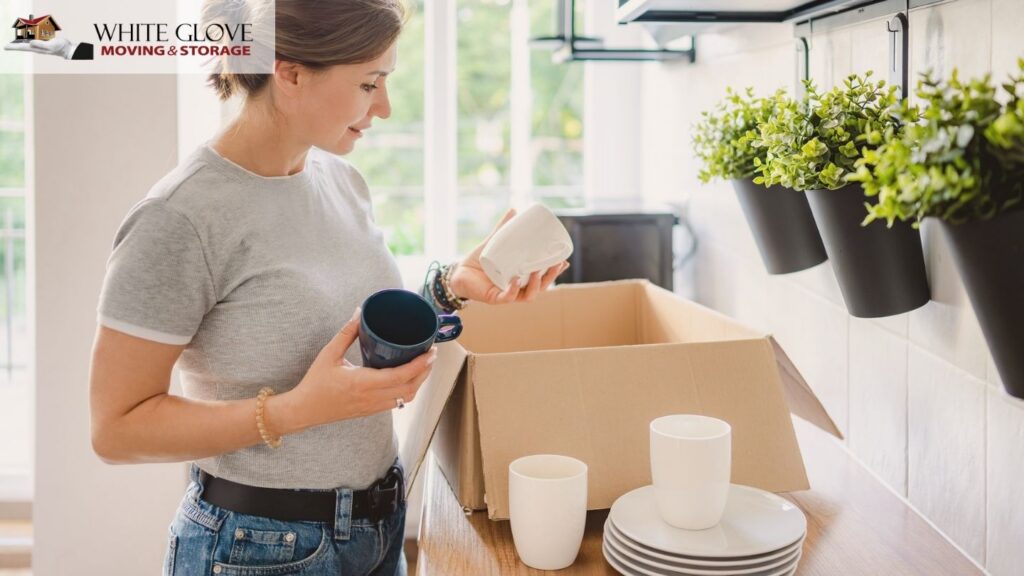
Kitchens are useful areas to tackle because duplicate items show up everywhere. Look through drawers, cabinets, counters, and pantry shelves for unused specialty gadgets, extra coffee mugs, extra utensils, untouched cookware, and food storage containers missing lids.
Check pantry shelves, too. Review expiration dates on spices, baking supplies, and dry goods so you only pack fresh items for your new kitchen.
Living Room and Common Areas
Living spaces tend to gather books, media, home decor, and random odds and ends. Take stock of shelving units, media consoles, side tables, and built-in storage.
Cables, power cords, remotes, and tech accessories accumulate quickly. If you no longer own the device an accessory goes to, clear it out.
Review how your existing furniture and decor fit into the new floor plan. Room dimensions and layouts often dictate which furniture pieces belong in your new space.
Bedrooms and Closets
Clothing usually takes up a large portion of household space. Go through everyday clothing, outerwear, formal attire, footwear, bags, linens, and seasonal items.
Focus on holding onto clothing that fits well, suits your current lifestyle, and gets worn. Items left untouched for months deserve an honest evaluation of their future use.
Check under bed frames and in the back corners of closets. Those areas frequently turn into long-term holding spots for things that fell out of daily routines.
Bathrooms
Bathrooms gather an unexpected volume of toiletries over time. Clear out drawers, vanity cabinets, and linen closets to remove expired skincare, leftover products, duplicate toiletries, and worn towels.
Dispose of expired medications according to safe local guidelines. Group daily toiletries together once sorted so they remain easy to reach during packing and after you move.
Home Office
Home offices often harbor outdated office supplies, older tech, and random gear. Go through outdated electronics, extra cords, and accessories for gear you no longer use.
Review pens, notebooks, binders, and paper goods. Keep what you will actually use and donate surplus supplies to schools or community programs.
Step 4: Sort Sentimental Belongings Separately
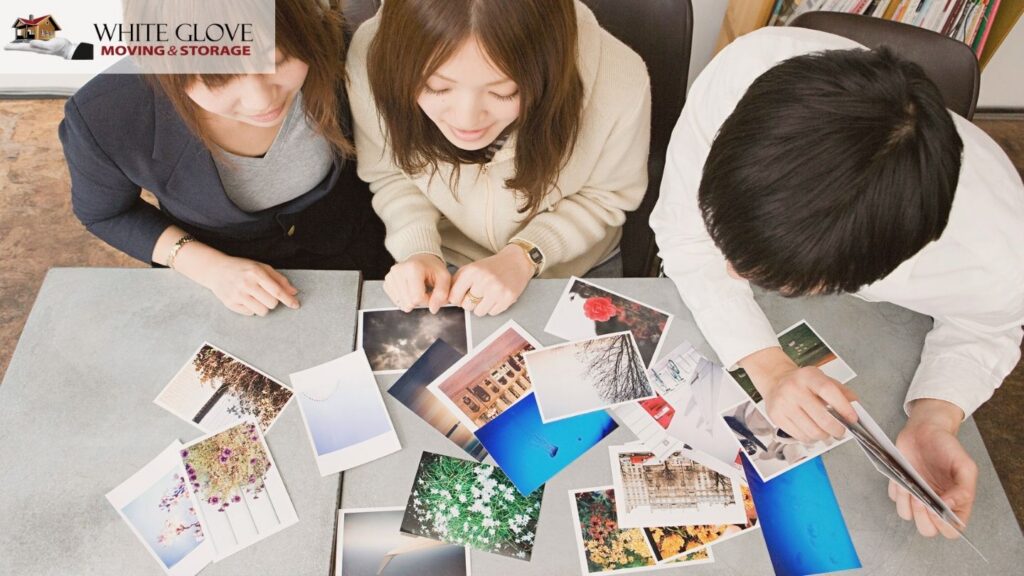
Sentimental items need a different approach than everyday household goods. Family heirlooms, photo albums, keepsake boxes, travel souvenirs, and kids’ artwork hold emotional value that practical guidelines cannot measure.
Consider saving these items for later in the process. Starting with less personal belongings can help you establish a clear rhythm before tackling items that require more emotional consideration.
Focus on personal meaning rather than utility. When multiple items represent the same memory, pick the single piece that holds the strongest connection.
Digitizing photos and children’s artwork offers a practical alternative. Scanning preserves memories while reducing physical storage demands in your new home.
If you lack room for family heirlooms, see if relatives might cherish them. Passing meaningful items along keeps family history alive while freeing up space in your home.
Step 5: Follow Through on Your Sorting Decisions
Once you know how to declutter your home before moving and have finished sorting, clear out everything you decided not to take with you. Getting these things out of the house before packing gives you clear room to work and prevents mix-ups with things heading to your new location.
- Sell: Set a firm deadline for creating listings, responding to buyers, and arranging pickups. Quality furniture, functioning electronics, collectibles, and specialty tools may be worth selling if there is enough time before your move.
- Donate: Choose a local organization or arrange a pickup as soon as possible. Gently used clothes, books, housewares, toys, and furniture can often be passed along to someone who can use them.
- Give Away: Arrange handoffs with friends or family early so these belongings are out of the house before packing begins.
- Recycle or Dispose: Check local guidelines before putting anything in the trash. Electronics, batteries, and chemical household products may require specific drop-off locations.
Step 6: Organize Important Paperwork
Paperwork requires careful attention so essential documents remain accessible throughout your move.
Go through file cabinets to separate active files from outdated papers. Crucial documents include passports, financial records, property deeds, tax filings, medical files, and insurance policies.
Keep original vital documents together in a dedicated, secure folder rather than packing them in standard boxes. Shred outdated files containing sensitive personal information.
Use this time to organize digital files as well. Back up important information, erase duplicate files, and organize records into clean, labeled folders for quick reference.
Step 7: Create a “Do Not Pack” Zone
Certain belongings must stay out of moving boxes entirely. Set aside a dedicated closet, guest room, or corner for essential items you need right up to moving day and on your first night in the new place.
Stock this zone with items you need immediately without unpacking boxes. Include daily medications, basic toiletries, phone chargers, key documents, work gear, a few clothing changes, kid essentials, and pet supplies.
Storing these items together keeps them separate from the belongings being packed and makes them easy to access throughout the move.

Step 8: Complete a Final Walkthrough
Give every room a final look before packing is complete. Check every closet, cabinet, drawer, shelf, and storage nook, including underneath beds, behind doors, and inside built-in cabinets. Double-check furniture and other larger belongings to make sure they still fit your new home’s layout. Confirm that donations, sold items, and trash runs are finished. Every remaining item in the house should be something you intentionally chose to take with you.
Quick Moving Decluttering Checklist
☐ Set a decluttering timeline
☐ Establish your keep criteria
☐ Go through the garage, attic, basement, and storage areas
☐ Sort the kitchen and pantry
☐ Review the living room and common areas
☐ Declutter bedrooms and closets
☐ Sort bathrooms and linen storage
☐ Review the home office
☐ Sort sentimental belongings
☐ Handle donations, sales, giveaways, and disposal
☐ Organize important paperwork
☐ Create a “Do Not Pack” zone
☐ Complete a final walkthrough
From Decluttering to Moving Day
With sorting complete, you can turn your attention to preparing the belongings you’ve decided to bring with you. A more organized household makes it easier to determine what needs to be packed, identify fragile or specialty pieces that require extra care, and keep essential belongings accessible throughout the move.
Professional Moving Support
Once you’ve decided what to bring, professional moving services can help prepare and transport those belongings according to your needs.
White Glove Moving & Storage offers full-service and partial packing, custom crating, transportation, storage solutions, unpacking, and placement. Each service can be coordinated around your belongings, moving timeline, and specific requirements. With the right services in place, you can move from decluttering to packing and transportation with a clear plan for each stage.
Ready to get started? Request your free quote from White Glove Moving & Storage today.
How to Declutter Your Home Before Moving: FAQs
When should I start decluttering before a move?
Starting four to six weeks before your target moving date gives you time to work through your home gradually rather than making decisions while packing. If you have a larger household, several storage areas, or a lot of belongings to sort, starting earlier can make the process more manageable.
Is it better to declutter before or after hiring movers?
It is generally helpful to declutter before your final moving estimate so you have a clearer idea of what will need to be packed and transported. Once you’ve decided what is coming with you, you can also organize your packing around the belongings that matter most.
How do I declutter when I have very little time before moving?
Start with easy decisions such as duplicates, unused household goods, worn-out items, and belongings you already know you no longer need. Avoid spending too much time on sentimental or uncertain items at first; you can return to those once the straightforward decisions are finished.
Should I declutter furniture before moving?
Yes. Consider whether each larger piece fits your new home’s layout, dimensions, and available space before deciding to move it. Measuring both the furniture and the rooms can help you determine which pieces will work in your new home.
How can I declutter children’s belongings before a move?
Involve children in age-appropriate decisions about toys, books, clothing, and other belongings they have outgrown. For artwork and school projects, consider keeping a few favorites and digitizing additional pieces so you can preserve the memories without storing every original.
What should I do with duplicate household items before moving?
Compare similar items and keep the ones you use most or consider most useful. Duplicates are often among the easiest belongings to sort because you can identify what you need without having to make a difficult decision about whether the category itself belongs in your home.
How can I declutter without getting rid of things I may need later?
Think about how often you realistically use the item and whether it serves a specific purpose. Seasonal or specialty belongings may still be worth keeping, while items you’ve kept only because you might use them someday deserve a closer look.
Should I declutter items that are currently in storage?
Yes. Open stored boxes and review their contents using the same criteria as everything else in your home. If something has remained untouched for years and you cannot identify a realistic future use for it, consider whether it still deserves space in your new home.
Start Your Move With an Intentional Plan
These decluttering tips can help you make thoughtful decisions about what belongs in your next home and create a more organized foundation for packing and moving day.
Once you’ve decided what to bring, White Glove Moving & Storage can help with professional packing, transportation, storage, unpacking, and placement, tailored to your needs and timeline. Get a free quote today to start planning your move.
