
On this page
Moving from Los Angeles to New York City means adjusting to a different pace of daily life. Housing, transportation, weather, and even the way you spend your time can change once you trade Southern California for New York.
If you’re used to planning your day around driving, parking, and long distances, NYC may require a different approach. Before you go, consider where you want to live, how much space you’ll need, how you’ll get around, what the seasons will require, and how your monthly budget may change.

Get Ready for a Different Everyday Lifestyle
Los Angeles and New York City offer very different approaches to getting around and spending a typical day. In Los Angeles, driving is often built into the routine. In New York City, walking and public transportation can take its place for many everyday trips.
Adjust to a More Neighborhood-Centered Routine
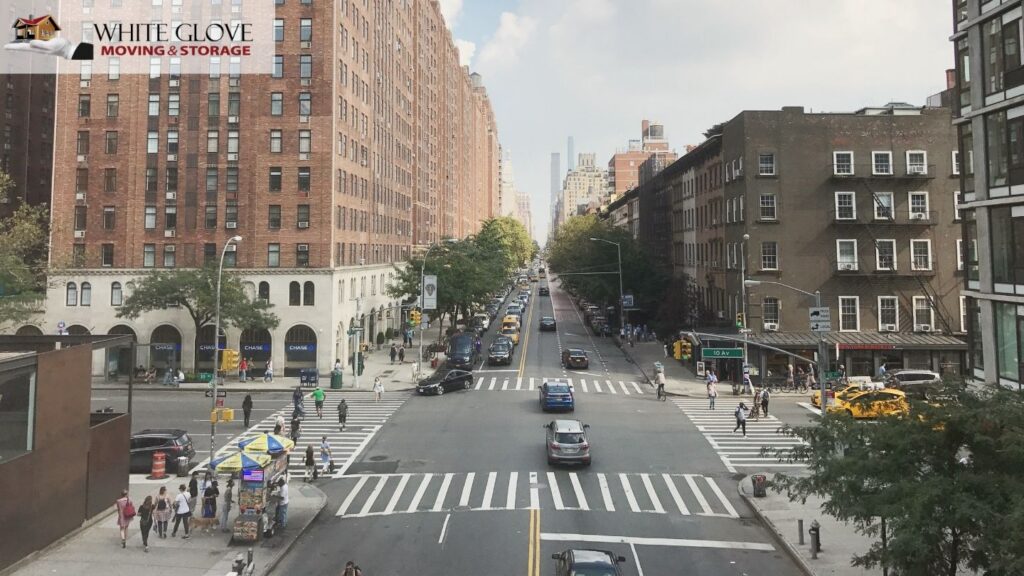
New York City’s density can change how you think about everyday distance. According to the U.S. Census Bureau, New York City is home to more than 8.5 million people across about 300 square miles of land, while Los Angeles has about 3.9 million people across roughly 469 square miles. Many daily destinations may be close to home, so you might walk to a grocery store, café, pharmacy, or park instead of getting behind the wheel.
At the same time, traveling to another part of the city can take longer than the map suggests because of subway transfers and traffic. Your grocery shopping, dining, appointments, exercise, and social plans may all become more neighborhood-centered.
Give Yourself Time to Settle Into a New Rhythm
The pace and atmosphere can feel different, too. If you’re accustomed to having everything spread across a larger area, give yourself time to develop new routines.
Think about which parts of your Los Angeles lifestyle matter most to you, whether that’s access to restaurants, outdoor spaces, entertainment, or a particular daily routine. Those preferences can help you make choices about where you live and how you spend your time in New York City.
Choose an NYC Neighborhood That Fits Your Lifestyle
Where you live in New York City will shape your daily experience, so choosing a neighborhood deserves careful attention. The city includes five boroughs, with a wide range of residential environments within each one.
Manhattan: If You Prefer a Central Location
Manhattan includes neighborhoods such as the Upper West Side, Upper East Side, Midtown, Chelsea, Greenwich Village, SoHo, Tribeca, and Harlem. Housing, atmosphere, transportation access, and proximity to workplaces and cultural attractions can vary considerably from one area to another.
Brooklyn: A Mix of Residential and Urban Areas
Brooklyn offers neighborhoods including Brooklyn Heights, Park Slope, Williamsburg, DUMBO, and Downtown Brooklyn. Depending on the area, you can find different housing options, access to Manhattan, parks, restaurants, and transportation connections.
Queens: If You Want More Housing Variety
Queens includes Long Island City, Astoria, Sunnyside, Jackson Heights, and Forest Hills, among other neighborhoods. Different parts of the borough offer varied housing configurations and transportation connections to Manhattan and other parts of the city.
The Bronx: Explore Diverse Neighborhoods
The Bronx includes neighborhoods such as Riverdale, Fordham, Pelham Bay, and Mott Haven. Housing, transportation, parks, and neighborhood character differ across the borough, offering several types of communities to choose from.
Staten Island: A More Residential Side of NYC
Staten Island includes communities such as St. George, New Dorp, and Tottenville. Different parts of the borough offer a range of housing and transportation options within a more residential setting.
Think About Your Daily Routine
Once you’ve narrowed down a few neighborhoods, think about how each one fits into your everyday life. When comparing locations, consider:
- Commute time and access to subway or bus routes
- The type and size of housing available
- Grocery stores and other everyday services
- Parks and recreational spaces
- Restaurants, entertainment, and nightlife
- Schools, if applicable
- Your housing budget
If you’re still narrowing down your choices, our guide to how to decide where to live can help you evaluate the factors that matter most.
Visit potential neighborhoods at different times of day when possible. A weekend visit gives you only one perspective on what living there will actually be like.
Consider How Much Space You’ll Need When Moving to NYC
One of the biggest practical adjustments for someone moving to NYC from LA may be the amount and configuration of available living space.
Measure Your Furniture
Before choosing an apartment, think about which features you genuinely need. A dedicated home office, second bedroom, generous closet space, or outdoor area may be important enough to influence your neighborhood or housing budget.
Your furniture also deserves a closer look before the move. Measure larger pieces and compare those dimensions with your prospective home’s rooms, doorways, hallways, and elevator dimensions when available. A dining table or sectional that works well in a Los Angeles home may not be the right fit for a smaller NYC apartment.
Check Building Access
The property itself is another factor to consider. An elevator building can have very different moving requirements from a walk-up, particularly when you’re bringing larger furniture into an upper-floor apartment.
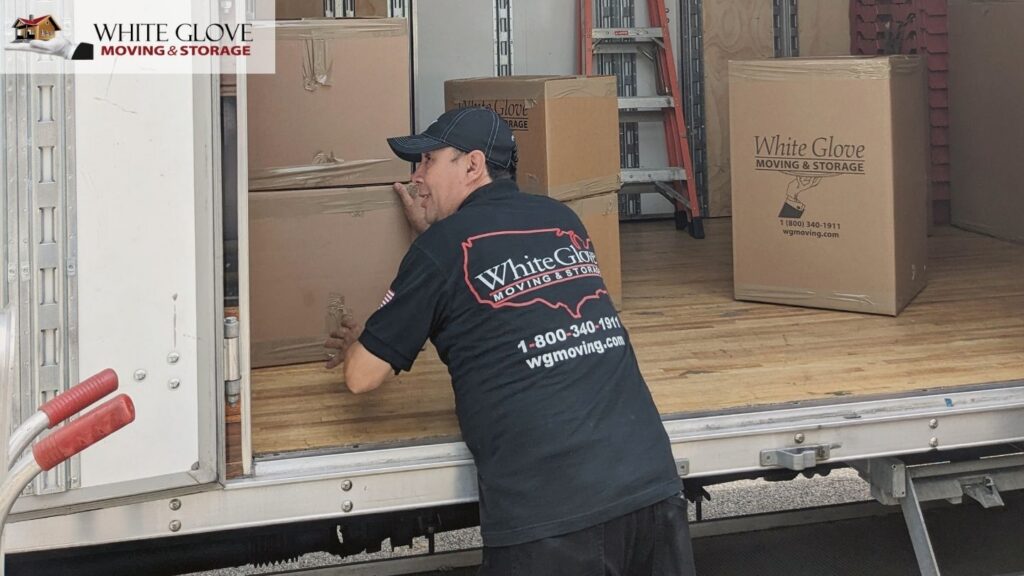
Before your move, ask about elevator access, moving hours, building procedures, and any Certificate of Insurance (COI) requirements. Share these details with your moving company so the team can take the building’s requirements and access conditions into account when planning your move.
Plan for Storage
Your new home may have less storage space than you’re used to in Los Angeles, so think about what you’ll need to store before the move. Seasonal clothing, luggage, household supplies, and other items you don’t use every day may require more planning in a smaller NYC apartment.
Shelving, under-bed storage, and other space-saving solutions can help you make the most of your available space. It’s also worth deciding which belongings need to come with you and which can be left behind before the move.
Temporary storage during the relocation can also be useful if your new home isn’t ready when your belongings arrive, or you need additional time to settle in. Professional movers may offer short- and long-term storage as part of their moving services. For example, White Glove Moving & Storage offers secure storage options, with one month of storage included for clients.
Rethink Transportation and Car Ownership
For many people moving from Los Angeles, deciding what to do with the car is an important part of the transition.
Decide Whether to Keep Your Car
A new home close to public transportation and most of your regular destinations may mean you don’t need a vehicle for everyday errands. Walking, subway service, buses, taxis, and rideshare can provide several ways to get around the city.
For those who plan to keep a car, researching parking before choosing an apartment is important. Ask whether your building has parking and investigate nearby options and costs. Think about how often you’ll actually use the vehicle rather than assuming your current driving habits will continue unchanged.
Consider Your Everyday Routes
Your transportation needs may also depend on your work and family responsibilities. Someone who regularly travels outside the city or needs a vehicle for work may have different priorities from someone whose daily activities are concentrated around a subway-accessible neighborhood.
Public transportation can also make your monthly expenses more predictable. In 2026, the MTA’s subway and local-bus base fare is $3, while OMNY’s weekly fare cap is $35 after 12 paid rides in a Monday-through-Sunday period.
Compare those costs with what you currently spend on transportation in Los Angeles. If you no longer need a car for everyday trips, expenses such as parking, fuel, maintenance, and insurance may also change your overall household budget.
Prepare for New York’s Four Seasons
New York’s climate is another significant change for people accustomed to Los Angeles weather.
You’ll need to prepare for cold winters, including freezing temperatures and occasional snow, as well as warm and humid summers. Spring and fall bring their own changes in temperature, so a wardrobe built primarily around mild weather may need some additions.
Update Your Seasonal Wardrobe
Before moving, take inventory of what you already own. You’ll likely want:
- A warm winter coat
- Layering pieces
- Cold-weather footwear
- Gloves, hats, and other winter accessories
- Clothing suitable for humid summer weather
Consider Your New Home’s Seasonal Needs
Your home will also need to accommodate the seasonal changes. When comparing apartments, ask about heating and air conditioning and consider where you’ll store seasonal clothing, coats, and other seasonal items.
The weather can influence more than what you wear. Walking, commuting, outdoor activities, and errands all feel different when temperatures drop or summer humidity rises. The shift from Los Angeles’ generally dry climate to New York’s warm summers and cold winters is worth considering when deciding what you bring and how you’ll organize your new home.

Revisit Your Monthly Budget Before Moving to NYC
The cost of living in LA vs. NYC can look quite different, particularly when it comes to housing and transportation.
Understand NYC Rental Costs
Housing costs can vary considerably depending on where you live. Current asking-rent data illustrate that difference: in July 2026, one-bedroom asking rents in NYC ranged from about $2,800 in Upper Manhattan to $5,030 in Midtown, while Apartment List reported a median one-bedroom rent of $1,856 in Los Angeles for August 2026. Because these figures come from different datasets and methodologies, they provide a general indication of the market rather than a direct apples-to-apples comparison.
The neighborhood you choose can make a substantial difference, so establish your housing budget before becoming attached to a particular apartment or location.
You may also encounter rental requirements that are less familiar if you’re moving from Los Angeles. Some NYC landlords and property managers use an income qualification guideline commonly known as the 40x rule, which means annual income equal to 40 times the monthly rent. Requirements vary by property, so confirm the specific criteria before applying.
Account for Transportation and Everyday Expenses
Beyond housing, consider groceries, dining, laundry, entertainment, fitness, and other recurring expenses when determining what you can comfortably spend each month.
Your transportation decision is also worth including in the calculation. If you give up your car, you may have fewer expenses related to parking, fuel, maintenance, and insurance, while public transportation becomes a regular budget item. If you keep your vehicle, parking can become an additional expense.
Rather than relying on a single citywide cost-of-living figure, build your budget around the neighborhood, apartment, transportation arrangements, and routines you are actually considering.
Prepare for the Move From Los Angeles to New York City
Once you’ve considered your new neighborhood, home, transportation, climate, and budget, you can turn your attention to arranging the relocation itself. A cross-country move involves more coordination than a local move, so it’s helpful to choose your moving company and confirm the services you’ll need well in advance.
Choose Experienced LA-to-NY Movers
When comparing professional movers, look for experience with interstate relocations and consider which services fit your move. Depending on your needs, you may want professional packing, storage, unpacking, furniture disassembly and reassembly, or placement. A written estimate should clearly outline the services included and the expected cost.
Organize Your Move
Focus on the details that need to be completed before moving day. Decide what you’re taking with you, arrange storage if needed, update your address, and coordinate the timing of your departure and arrival.
Our cross-country moving checklist can help you keep track of the key tasks, while our long-distance moving tips offer additional guidance for preparing for an LA-to-NYC relocation.
Moving From Los Angeles to New York City With White Glove
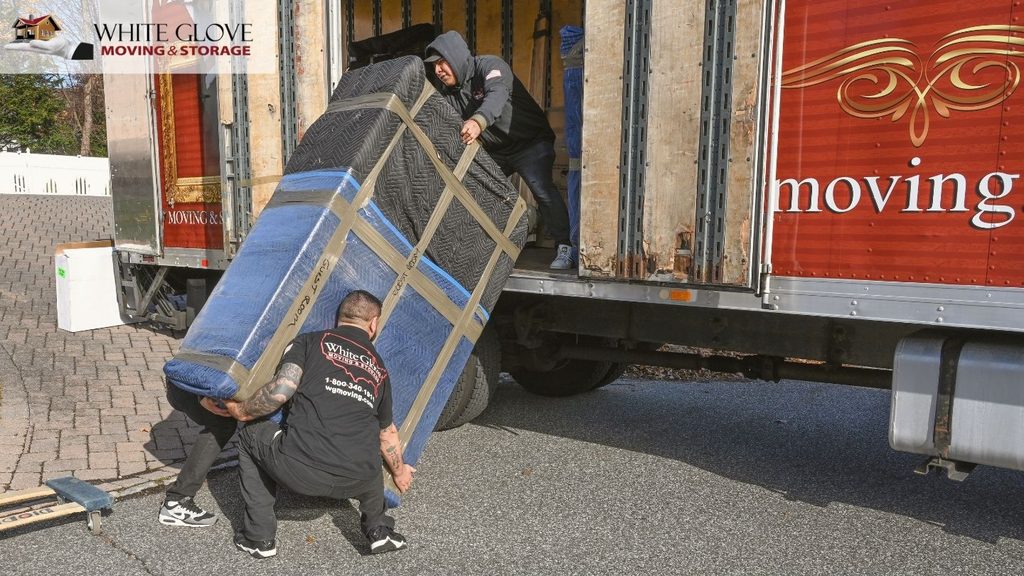
White Glove Moving & Storage provides long-distance moving services for relocations between California and New York. With more than 30 years of moving experience, the company supports cross-country relocations with professional packing, transportation, storage, unpacking, furniture disassembly and reassembly, and placement.
For long-distance moves, White Glove provides flat-rate pricing based on a written estimate, giving you a clear understanding of the cost established for your relocation. GPS tracking also provides visibility into your shipment while it’s in transit, while a dedicated move coordinator helps keep the details of your move organized from the initial estimate through delivery.
Request your free quote to begin planning your Los Angeles-to-New York City move.
Frequently Asked Questions About Moving From LA to NYC
Are broker fees common when renting in NYC?
Broker fees may still apply when a renter independently hires a broker. Under NYC’s FARE Act, landlords cannot charge tenants for the services of a broker hired by the landlord. If you work with a broker, confirm who hired the broker, whether a fee applies, and what other upfront costs you’ll be responsible for before signing a lease.
Do I need to change my driver’s license after moving to New York?
If you establish residency in New York, you’ll generally need to transfer your driver’s license and vehicle registration within the timeframe required by the state. Check the current requirements with the New York State Department of Motor Vehicles after establishing your new residence.
What happens to my utilities when I move from Los Angeles to NYC?
Your utility arrangements may be quite different depending on your new apartment. Before moving, find out which services are included in the rent and which you’ll need to establish yourself, such as electricity, gas, or internet. Ask your landlord or property manager for details before setting up accounts.
Do I need to change my address when moving from California to New York?
Yes. Update your address with the U.S. Postal Service and notify banks, insurance providers, employers, subscriptions, government agencies, and other organizations that send you mail or maintain your personal records.
How early should I hire movers for a Los Angeles-to-NYC move?
For a cross-country move, contact moving companies about 8 to 12 weeks before your preferred moving date. Starting early gives you time to compare estimates, confirm the services you need, and coordinate your move with your new home’s availability.
How long does a move from Los Angeles to New York City take?
The timing of a cross-country move depends on the moving date, shipment details, and delivery schedule. White Glove Moving & Storage provides an estimated delivery window of 10–14 business days for long-distance moves between Los Angeles and New York City. Your dedicated move coordinator can provide more specific timing based on your relocation.
Starting Your New Life in New York City
Moving from Los Angeles to New York City means adapting to a different pace, environment, and way of organizing everyday life. Taking time to understand your new neighborhood, housing, transportation, and seasonal needs can make the transition easier to navigate.
Once you’ve considered those factors, you’ll have a clearer picture of what your new life in New York City can look like and what you’ll need to bring with you.
When you’re looking for expert movers from LA to NY ready to arrange your cross-country move, request your free quote from White Glove Moving & Storage and take the next step toward your move.
