
On this page
Artwork needs careful handling during a move. Its materials, condition, and size all affect how it should be packed and transported. Framed pictures, canvas paintings, and sculptures each have their own protection needs. Some pieces may also require specialized packaging or custom crating.
This guide explains professional artwork packing, the materials used for different types of pieces, and the factors movers consider when deciding how to protect delicate or unusually shaped artwork.
What to Consider When Packing Different Types of Artwork
Not all artwork can be packed in the same way. The frame, surface, materials, and overall shape of each piece affect the protection it needs during a move.
Framed Pictures, Photographs, and Prints
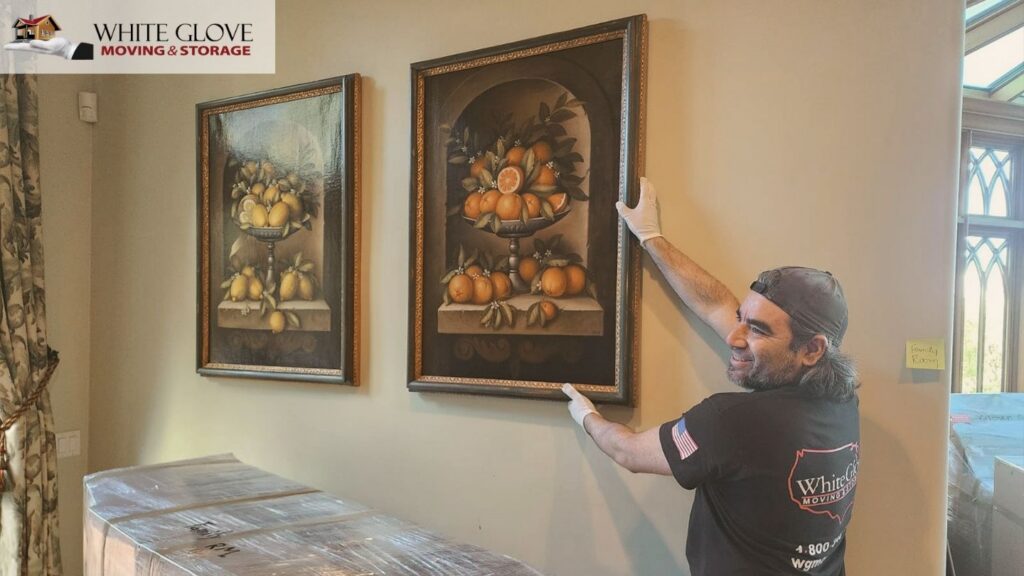
Knowing how to pack framed pictures for moving starts with protecting both the frame and the artwork inside it. Glass fronts can crack during transportation, while glass and acrylic glazing can become scratched. Broken glass may also damage the image beneath it. Ornate frames, carved details, and decorative finishes need care to avoid chips and scuffs.
Photographs, prints, and other works on paper have their own considerations. Their surfaces may be sensitive to pressure, direct contact, or unsuitable packing materials. The right protection depends on how the piece is made, its current condition, and whether it has glass or acrylic glazing.
Canvas Paintings and Original Artwork
Packing paintings for a move calls for particular care around the painted surface. Raised brushstrokes, textured paint, and delicate surface details can be damaged by direct contact with packing materials. Pressure against the surface may also be a concern, especially if the painting already has damage or a fragile finish.
When packing artwork, professionals take its materials, condition, and dimensions into account before choosing suitable protection. Let your moving team know if a painting has loose elements, visible damage, or specific handling instructions. That information helps the team plan for the needs of the individual piece.
Sculptures and Three-Dimensional Artwork
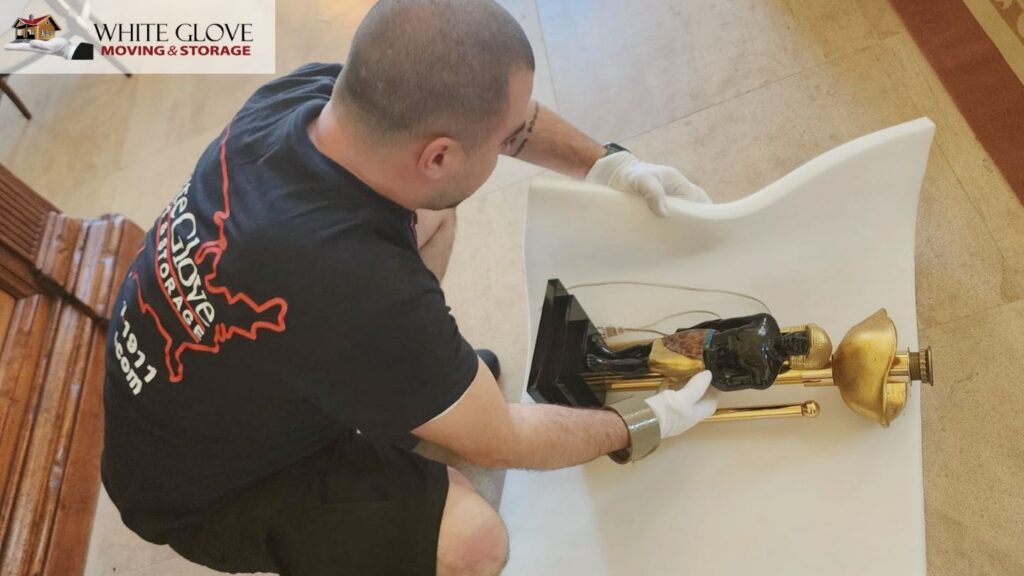
Sculptures present different packing challenges than framed pictures or paintings. Their shape, weight distribution, and protruding details all affect how they should be supported and protected during transportation.
A sculpture with thin extensions, delicate decorative features, or a narrow base may need extra support to limit movement. Its material also affects how it should be handled. Ceramic and glass pieces can be brittle, while stone and metal sculptures may be heavy and require appropriate handling arrangements.
The packing approach needs to account for the sculpture as a whole, including its construction, weight, shape, and most vulnerable features. Standard packaging alone may not be suitable for every piece.
Large and Oversized Artwork
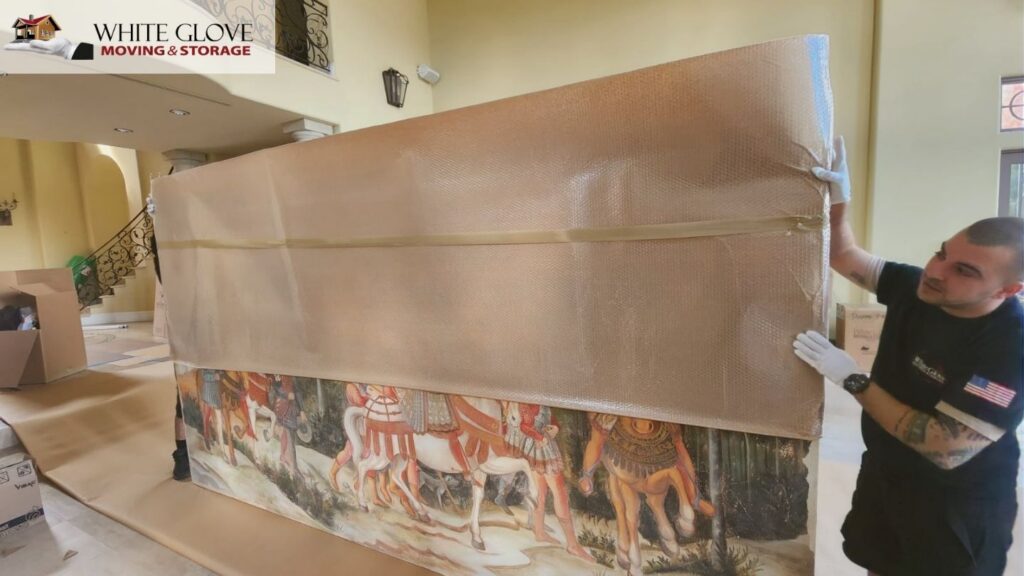
Oversized artwork needs protective materials that fit its dimensions without putting pressure on the frame or surface. Its size also affects how movers can handle and transport it.
Large paintings and framed pieces can be difficult to maneuver through narrow doorways, staircases, and tight turns. Sharing approximate measurements in advance gives movers a chance to assess the route through your property and plan suitable handling arrangements. This is especially helpful for pieces displayed on upper floors or in areas with limited space.
Materials Used for Professional Artwork Packing
The materials used to pack artwork depend on its surface, construction, size, and condition. Depending on the piece, professional movers may use:
- Protective paper and surface coverings to help reduce scratches and unwanted contact when suitable for the artwork.
- Foam padding and cushioning to absorb impacts around vulnerable edges, corners, and framed surfaces.
- Corner and edge protectors to help guard frame edges and decorative profiles against chips, dents, and scratches.
- Specialized picture cartons to provide an additional protective layer for framed pictures and suitably sized artwork.
The same materials aren’t suitable for every piece. A framed print may need different protection than an unframed canvas or an unusually shaped sculpture. Professional movers take these differences into account when deciding how to pack art for moving.
When Is Custom Crating Necessary?
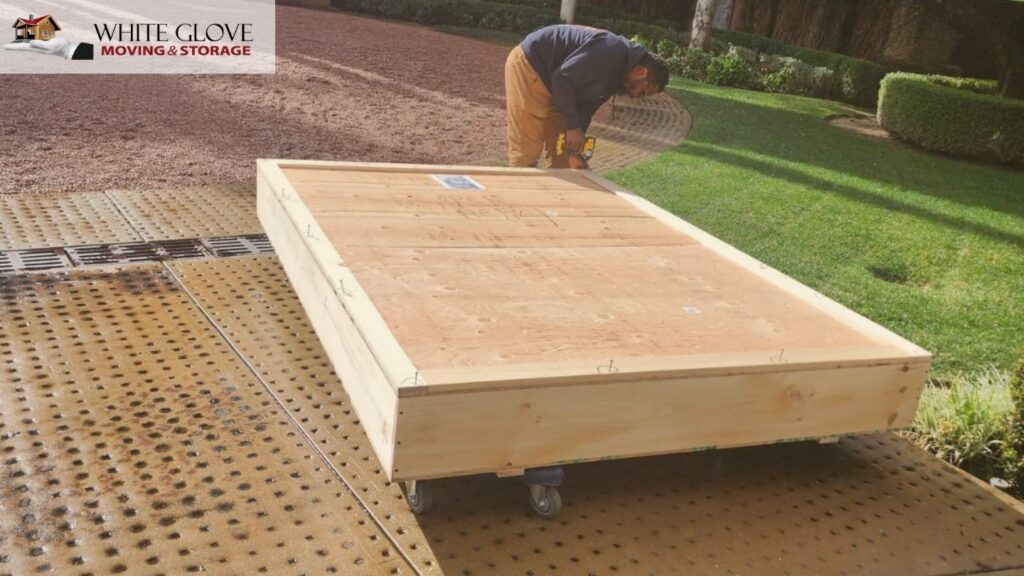
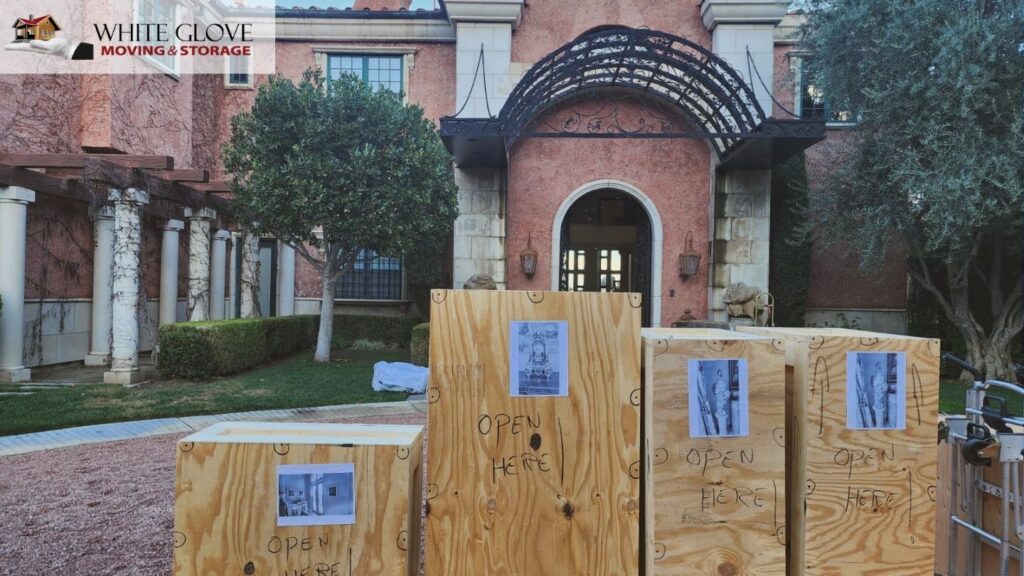
Custom crating involves building a protective wooden crate for a specific item. Unlike standard picture cartons, a custom crate is made to fit the artwork’s dimensions and shape, with internal support designed to limit movement during transportation.
Crating may be suitable for oversized paintings, unusually shaped sculptures, or delicate pieces that need additional structural support. The decision depends on the item’s size, construction, condition, and transportation requirements.
Professional moving companies, including White Glove Moving & Storage, offer custom crating services for artwork and other items that need specialized packaging.
Why Hire Professionals for Packing Artwork for Moving?
Artwork can have considerable financial or sentimental value, and some pieces are difficult or costly to repair if damaged. Professional movers bring experience in packing and handling delicate items and can coordinate their transportation as part of your relocation.
Careful Handling Throughout the Move
Artwork needs appropriate handling during packing, removal from the property, loading, transportation, and delivery. Each stage brings its own practical considerations. Professional movers plan these stages around the artwork’s size, construction, and handling requirements. This helps limit the chance of accidental damage while accounting for the practical challenges of moving each piece.
Less Time Spent Planning
Preparing artwork for a move involves choosing suitable packaging, identifying pieces that need specialized protection, and arranging the handling of larger or unusually shaped items.
Hiring professional packers means you have less of this preparation to manage yourself. You can discuss your collection with the moving team and leave the packing arrangements included in your service to them, giving you more time to focus on other parts of the move.
Coordination With the Rest of Your Move
Artwork often travels alongside furniture, personal belongings, and other household items. Some collections may also need temporary storage before delivery to the new property.
Having one moving company coordinate these arrangements can make planning easier and help keep your artwork accounted for within the broader relocation schedule. If storage is part of your plans, discuss the timing and handling needs of the pieces in advance.
White Glove Moving & Storage offers professional packing, specialized antique and fine art moving services, custom crating, and storage options as part of a broader relocation.
Preparing for a Move Involving Valuable Artwork
White Glove Moving & Storage offers in-home and virtual estimates, giving you an opportunity to discuss your collection and the arrangements your move may require.
Information to Share During Your Estimate
- Types and number of pieces: Let the team know if you’re moving framed pictures, canvas paintings, sculptures, or an entire collection.
- Approximate dimensions: Measurements help movers assess oversized paintings, large frames, and sculptures.
- Special considerations: Mention existing damage, unusual shapes, delicate features, or specific handling requirements.
- Property layout: Point out narrow hallways, staircases, tight turns, or other features that could affect the movement of larger pieces.
- Destination and storage plans: Explain whether the artwork will go directly to your new home or need storage before delivery.
Sharing these details early gives the moving team a clearer picture of your collection and helps them plan the packing, transportation, and delivery arrangements.
Frequently Asked Questions About Artwork Packing
Is special packing necessary for artwork going into storage?
Artwork may need protective packing for storage as well as transportation. The right approach depends on the piece’s materials, condition, and expected storage arrangements. Discuss your plans with your moving company so the team can account for the artwork’s protection and handling needs.
Can I move artwork in its original packaging?
Original packaging may work for some pieces, particularly if it was designed for the artwork and remains in good condition. If the packaging is worn or no longer fits properly, it may not protect the artwork sufficiently during the move. Have it assessed before relying on it for transportation.
Can professional movers transport antique artwork?
Movers who handle antiques and fine art can assess what is needed to transport antique pieces. Age, materials, existing condition, dimensions, and delicate decorative details all affect the arrangements. Share any known handling instructions or concerns when discussing your move.
What should I do if my artwork is already damaged?
Tell your moving company about existing damage before packing begins. If practical, photograph the visible condition and point out any fragile areas or loose components. This gives the moving team useful information when planning how to handle and pack the piece.
Should I photograph my artwork before moving?
Photographs can document the condition of your artwork and help you keep track of individual pieces. They’re also useful during a virtual estimate, allowing the moving team to review your collection remotely and identify potential special requirements.
Arrange Professional Artwork Packing for Your Move
Knowing how to pack artwork for moving starts with understanding the needs of each piece, from framed pictures and canvas paintings to sculptures and oversized works. Discussing your collection in advance helps your moving company plan accordingly.
If you need to pack pictures, move original paintings, or transport a collection of sculptures, White Glove Moving & Storage can help you plan the packing and handling arrangements for your relocation. With more than 30 years of moving experience, the company offers local moving in New York and New Jersey and long-distance relocations throughout the United States, along with professional packing, antique and fine art moving, and custom crating. You can include these services in your moving plan based on your artwork and the needs of your move.
Request your free estimate to discuss your move, your artwork, and the services that fit your needs.
