
On this page
Relocating to Pennsylvania offers a different experience depending on where you choose to settle. Between major cities, historic smaller towns, and quiet rural areas, the state has a wide selection of communities, each with a distinct character and pace of life.
Housing prices, local taxes, public transit, job options, and everyday amenities vary throughout the state. Looking at how these factors align with your budget and routines makes narrowing down potential locations much easier and gives you a clear roadmap for planning your move.

Why Are People Moving to Pennsylvania?
There are several reasons to move to Pennsylvania, including:
- Northeast location: Depending on the area, residents enjoy access to Philadelphia, Pittsburgh, New York City, Washington, D.C., and Baltimore.
- Diverse housing options: Neighborhoods offer everything from downtown apartments and suburban townhomes to single-family houses and rural acreage at a broad range of price points.
- Strong job and academic sectors: Healthcare, higher education, manufacturing, finance, professional services, and state government drive much of the local economy.
- Ample green space: Extensive state parks, forests, rivers, and trail systems create easy opportunities for hiking, fishing, boating, and camping.
If Pennsylvania is on your shortlist, reviewing local cost variations is a smart next step.
Cost of Living in Pennsylvania
Overall living expenses shift depending on your exact municipality. Housing remains the largest factor in your budget, as purchase prices and rental rates change noticeably between urban centers, suburban areas, and rural communities.
Housing Costs
In 2026, Zillow data showed a typical statewide home value around $291,000, with average rents near $1,559 per month. While these numbers provide a general benchmark, local real estate varies. For instance, home values in July 2026 ranged from roughly $235,000 in Philadelphia to over $420,000 in State College.
Buyers ought to look past sticker prices to factor in local property taxes, insurance, utility bills, and long-term maintenance. Renters will want to budget for utilities, renters insurance, parking fees, and related housing expenses.
Taxes and Everyday Expenses
State and local taxes also shape your monthly spending. Pennsylvania charges a flat state individual income tax rate of 3.07%, though property tax levies and municipal taxes differ by town.
Routine expenses like commuting, groceries, electric and heating utilities, insurance policies, and medical care fill out the rest of your monthly budget. These numbers will shift based on your location and household size.
Comparing the Cost of Living
Rather than relying on broad state averages to judge affordability, compare total living expenses across the specific towns you like. Property taxes, home prices, and routine bills can vary significantly from one community to another.
Building a practical monthly budget for two or three prospective areas clarifies which community fits your financial goals.
Jobs and Employment in Pennsylvania
The state supports a broad economic foundation, offering job opportunities across healthcare, education, manufacturing, financial services, government, commercial trade, and logistics.
Major Industries
Medical centers and educational institutions employ a significant portion of the workforce, working alongside corporate services, industrial plants, finance firms, and public agencies. Large health networks, research universities, and manufacturing operations generate positions across a wide range of occupations.
Data from June 2026 showed more than 6.2 million nonfarm jobs statewide, with education and health services representing roughly 1.42 million of those positions.
Employment by Region
Philadelphia and Pittsburgh anchor the major regional job markets, though cities like Harrisburg, Allentown, Bethlehem, and Lancaster maintain distinct industrial and corporate bases. Available career fields vary noticeably depending on where you choose to settle.
If you’re relocating to Pennsylvania for work, research the industries and employers concentrated in the specific areas you’re considering. This can help you choose a location that works for both your career and your everyday life. For more tips, check out our guide to job relocation assistance and what to consider when relocating for a new position.
Getting Around Pennsylvania
Getting around depends heavily on where you settle. Travel options in dense metro centers look completely different from transit in small boroughs or rural communities.
Public Transportation
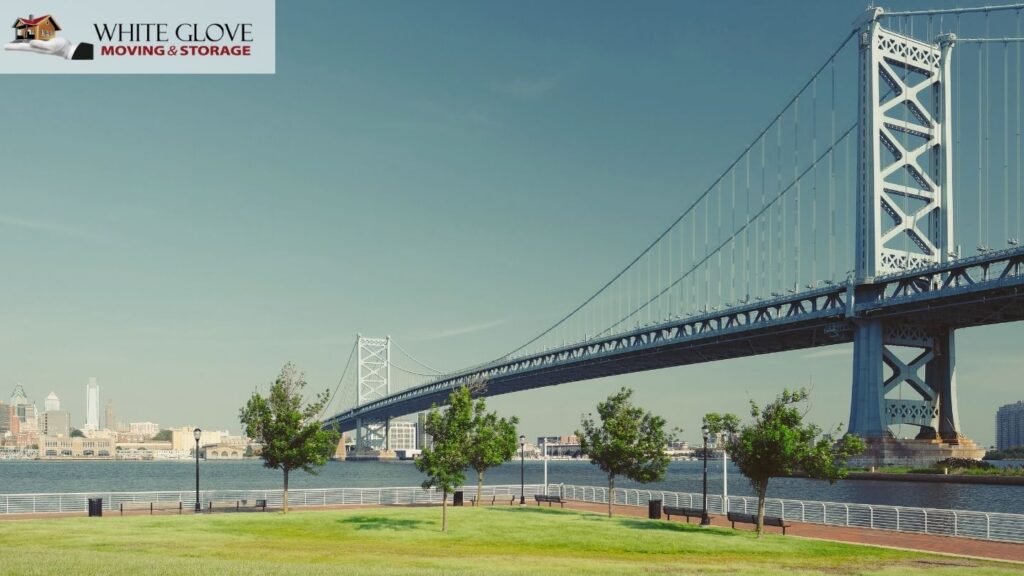
Philadelphia features a robust public transit system including buses, subways, and commuter rail lines, and Pittsburgh provides transit options throughout its urban core and suburbs. Surrounding metro zones also maintain localized bus and train links.
Driving and Highways
Outside major urban centers, keeping a personal vehicle is practical for daily errands and commutes. Interstates and state highways link major population hubs and provide routes to neighboring states.
Evaluate your daily travel patterns to work, schools, grocery stores, and medical facilities. If public transit is a priority, verify local bus and train routes, while drivers should check highway access and typical travel times.
What Is It Like Living in Pennsylvania?
Daily life reflects the character of your chosen town. Major urban areas pack in restaurants, performance venues, and organized events, whereas small towns and rural communities emphasize quiet routines and open land.
Community and Everyday Life
Neighborhood profiles vary statewide. Certain boroughs highlight historic main streets and classic architecture, while growing townships feature newer subdivisions with modern layouts. Families often prioritize nearby schools, public parks, local libraries, and medical centers when choosing a neighborhood.
Outdoor Recreation
State parks, wooded forests, and rivers make outdoor recreation accessible for most residents. Local access allows for hiking, freshwater fishing, kayaking, and camping throughout the year.
Four-Season Climate
The area experiences four clear seasons. Summers get warm and humid, winters bring cold temperatures and occasional snow, and spring and fall deliver distinct weather shifts. Seasonal home maintenance and changing driving conditions are also worth considering when choosing where to live.
Best Places to Live in Pennsylvania
No single town fits every moving plan. Pennsylvania contains major metro regions, established suburban communities, historic river towns, and quiet farmland, giving buyers and renters distinct choices.
Philadelphia and the Surrounding Suburbs
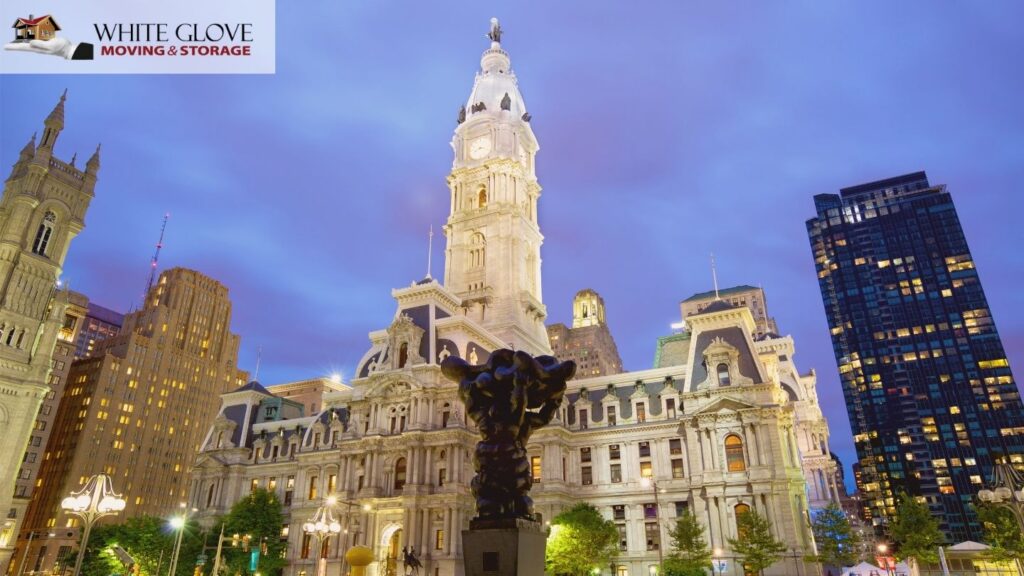
Greater Philadelphia stands as the state’s largest urban hub, housing world-class medical systems, major universities, historic districts, restaurants, and cultural institutions. Well-known landmarks such as Independence Hall and the Liberty Bell sit alongside public parks and cultural institutions across the city.
Nearby suburban counties present quiet residential settings while preserving easy access to the city center. This setup works well for households wanting city amenities close by alongside suburban neighborhoods.
Lehigh Valley
Comprising Allentown, Bethlehem, and Easton, the Lehigh Valley offers a mid-sized metropolitan environment positioned between major Eastern hubs.
Bethlehem retains strong historic roots with sites like the revitalized Bethlehem Steel complex, while Allentown provides an urban core with parks and museums. Easton brings additional historic charm along the Delaware River. Positioned along major highway corridors, the region suits commuters who travel regularly into New Jersey or New York.
Harrisburg Area
Harrisburg sits along the Susquehanna River in central Pennsylvania, featuring the landmark State Capitol building and riverfront parks. Established suburbs and quiet outlying towns surround the capital district.
Central Pennsylvania appeals to residents seeking a balanced environment with accessible state government jobs, suburban neighborhoods, and surrounding countryside.
Lancaster Area
Lancaster blends a small-city downtown with surrounding farmland, historic brick architecture, and deep Pennsylvania Dutch heritage.
The surrounding countryside features active agricultural land, traditional markets, independent restaurants, and arts venues. Destinations like the historic Lancaster Central Market anchor a community focused on regional identity and a relaxed pace.
Pittsburgh and Western Pennsylvania
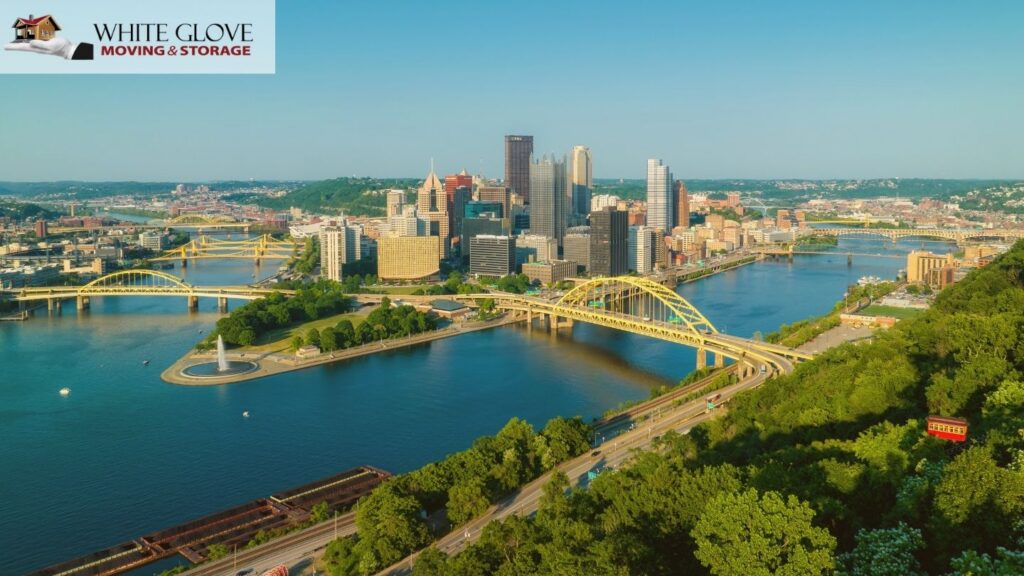
Shaped by three rivers and rolling hills, Pittsburgh features distinct neighborhoods, major research universities, top healthcare networks, and a rich industrial history. Point State Park, local museums, and commercial streets give residents plenty to explore right in town.
Beyond city limits, Western Pennsylvania opens into rolling suburbs, small industrial towns, state forests, and mountain terrain. The region maintains a distinct identity separate from Eastern Pennsylvania while retaining full access to metro amenities.
Smaller Towns and Rural Communities
Outside major population centers, smaller boroughs and townships offer low-density housing, extra land, historic main streets, and immediate access to woodland and fields.
Rural communities highlight historic covered bridges, local festivals, state parks, and fishing streams. Living outside metro zones means driving further for specialized medical care, major retail centers, and dining, as public transit is rarely available.
How to Choose Where to Live in Pennsylvania
Narrow down potential towns by measuring them against your daily practical priorities:
- Household budget: Calculate housing costs, local property taxes, insurance premiums, utilities, and commuting expenses together.
- Daily routine convenience: Map out potential commutes, access to regional schools, medical centers, grocery stores, and recreational facilities.
- Community profiles: Compare neighborhood layouts, housing inventory, local public services, and overall pace of life.
- Regional accessibility: Factor in travel times to family, major airports, regional highway networks, and metropolitan hubs.
- In-person visits: Drive prospective neighborhoods, visit local shops, and test your daily commute during peak traffic hours before signing a lease or purchase agreement.
For additional practical steps, check our guide on selecting a location, which details how to weigh competing priorities when picking a town.
Planning Your Move to Pennsylvania
Setting your schedule early keeps the entire relocation on track. Finalize your target moving date, confirm lease or closing papers, and start reaching out to long-distance movers as soon as your timeline is locked in.
Take a look at our moving preparation guide for a step-by-step checklist of tasks to manage leading up to moving day.
Why Choose White Glove Moving & Storage?
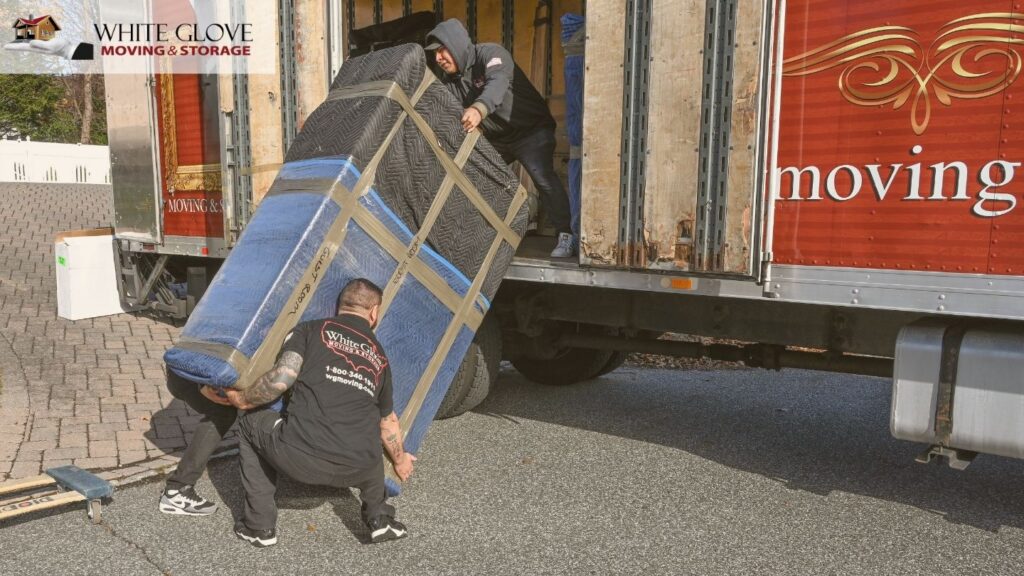
White Glove Moving & Storage provides full or partial packing, transportation, storage, and unpacking services for moves into Pennsylvania. Backed by over 30 years in the moving industry, our team coordinates the moving services around your specific schedule.
Our long-distance services include clear written estimates, itemized inventory tracking, GPS tracking, and a dedicated move coordinator to manage logistics. We offer full or partial packing options, furniture disassembly and reassembly, storage, and box and debris removal if requested.
If you’re moving to PA from another state, White Glove can coordinate the services needed for your interstate relocation.
Reach out today to request a free quote and begin planning your relocation to Pennsylvania.
FAQs About Relocating to Pennsylvania
Do I need a Pennsylvania driver’s license after moving to the state?
Yes. If you have an out-of-state non-commercial driver’s license, you must obtain a Pennsylvania license within 60 days of establishing residency.
How do I register my car after moving to Pennsylvania?
Bringing an out-of-state vehicle requires applying for a Pennsylvania title and registration within 20 days of moving. Once registered, your vehicle must pass Pennsylvania safety and, where applicable, emissions inspections within 10 days. Check PennDOT guidelines before your move to confirm specific documentation.
When is the best time of year to relocate to Pennsylvania?
Timing depends on personal schedules, weather comfort, and work constraints. Spring and autumn bring moderate temperatures, while summer offers longer daylight hours and school break windows. Winter moves require building extra time into travel schedules for sudden winter weather and snow clearing.
Is Pennsylvania affordable for retirees?
Pennsylvania can be an affordable option for retirees, depending on your location and housing and lifestyle needs. The state exempts Social Security benefits and most retirement income from income taxes. Housing costs and property taxes vary between communities, so checking local rates can help you choose an area that fits your budget.
What is Pennsylvania known for?
Pennsylvania is recognized for historic sites, major cities, and varied landscapes. Philadelphia features Independence Hall and the Liberty Bell, while Pittsburgh is known for its three rivers, bridges, and unique neighborhoods. The state is also known for its Pennsylvania Dutch heritage, Amish communities, state forests, and outdoor recreation.
Ready to Make Your Move to PA?
Relocating to Pennsylvania offers options ranging from major cities and historic suburbs to quiet rural communities. Balancing home prices, taxes, job markets, and transportation options can help you choose an area that fits your household.
Once you’ve chosen your new town, White Glove Moving & Storage can assist with the logistics of your relocation, including moving, packing, storage, and unpacking.
Get a free quote today to take the next step in your Pennsylvania relocation.
